
pricing strategy

A small business team reviewing customer profitability data on a laptop, with notes on support costs and revenue mix
Customer Research

The Customer Who Looks Great on Paper Might Be Quietly Costing You Money

A founder’s favorite number is usually revenue. It’s the one you put on a slide, the one investors ask about first, the one that makes a Tuesday feel like progress. But revenue only answers one question: how much business is this customer giving you? It says nothing about what that business actually costs you to deliver — in support hours, exceptions, discounts, or the slow bleed of a payment that arrives forty-five days late. For an early-stage team deciding which customers to chase next, that gap between “how much they pay” and “what they’re worth” is exactly where research needs to happen.
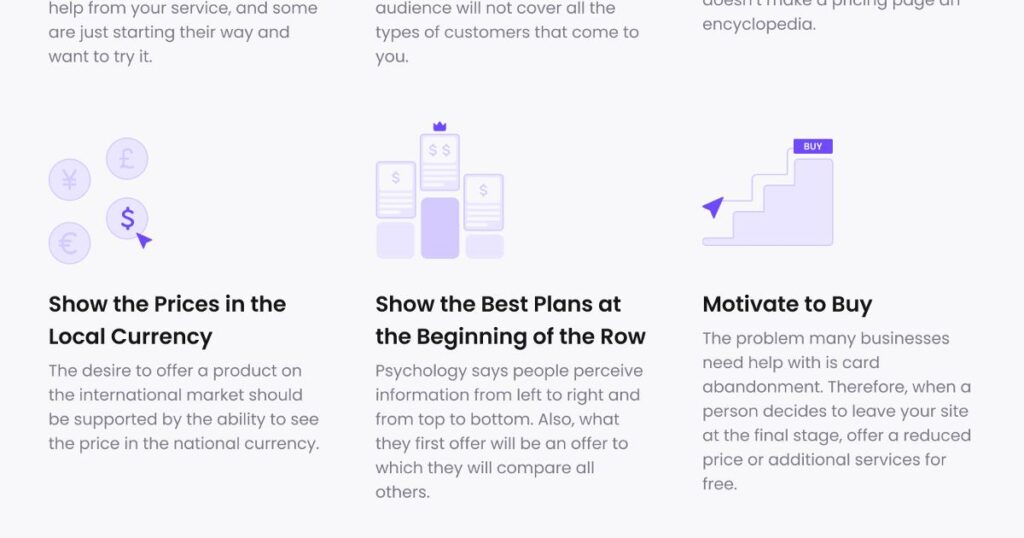
A SaaS pricing page with a cheap plan, a large jump, and a Contact Sales button showing the pricing gap
Market Signals

The $500 Cliff: Why Good Buyers Disappear Between Your Cheap Plan and “Contact Sales”

Picture a buyer who has already said yes twice. They tried your product, liked it, paid for the entry tier, then upgraded to the next one without blinking. Then they ask for one more seat, one more workspace, one more integration — and the price jumps from $29 a month to $500 a month, prepaid, no negotiation. They don’t complain. They don’t ask for a discount. They just quietly close the tab. Most founders will never know that customer existed, let alone that they almost bought.

Scroll to Top