
cash flow

Startup founder reviewing UK corporation tax thresholds and cash flow planning for a business test
Business Hypotheses

The £1 That Changes Your Tax Bill: What Corporation Tax Really Tests in a Startup

A founder budgeting for “small company” tax treatment can still get blindsided by the mechanics of the UK system: a business that ends its accounting year with £50,001 of profit sits in a different tax regime to one that ends with exactly £50,000. That single pound doesn’t just nudge the bill upward — it flips the calculation from a flat, easy-to-model rate into a tapered one that most founders have never actually worked through. If you’re testing whether a business idea holds up, that distinction is worth understanding before you hit it, not after.

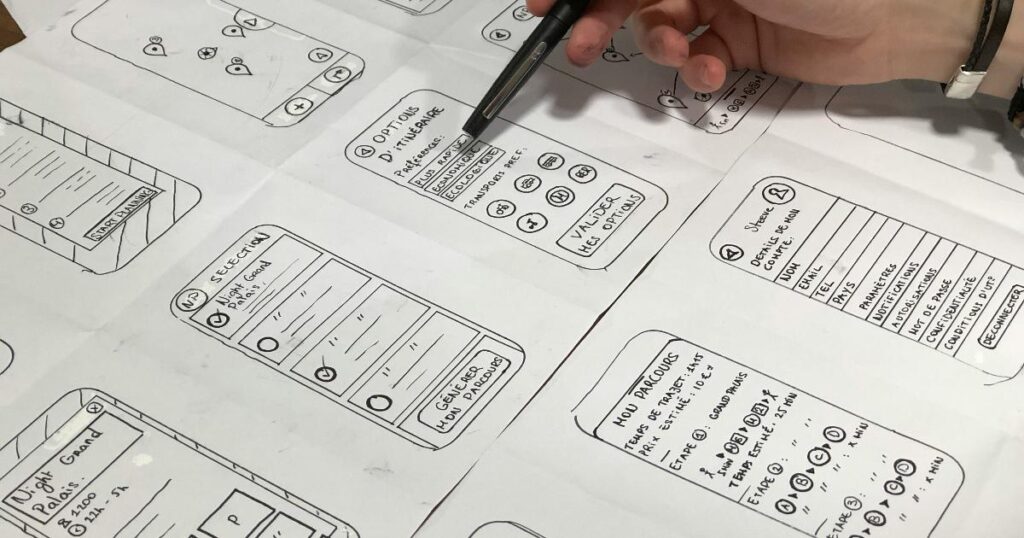
A small business team reviewing growth pain signals on a dashboard and notebook, using the data to spot early warning signs
Early Metrics

Growth Pains Are Data: How to Read the Warning Signs Before They Break Your Business

A business can look healthy on every dashboard that matters to an investor — revenue climbing, new customers signing up, a founder finally sleeping through the night — and still be quietly coming apart at the seams. The first cracks rarely show up in the numbers everyone watches. They show up in the small, almost boring places: a reply that used to take an hour now takes a day, a spreadsheet that used to work now needs three people to interpret it, cash that used to sit in the bank now sits in inventory or unpaid invoices. None of that shows up on a pitch deck. All of it is information.

A product team reviewing a prototype next to supplier samples and production notes to assess prototype to production readiness
Product Decisions

The Prototype Worked. That’s Not the Question Anymore.

There’s a specific kind of relief that follows a working prototype. The thing functions. People who held it nodded. Maybe a few even asked where they could buy one. After months of doubt, you have proof. And right there, in that moment of relief, sits one of the most expensive traps an early-stage founder can walk into: mistaking “it works” for “we’re ready.”

Scroll to Top