

demand validation

A store launch learning loop with shoppers entering a small retail shop and staff observing customer behavior
Demand Experiments

Opening Day Isn’t the Finish Line: How to Turn a Store Launch Into a Learning Loop

A store rarely fails because the ribbon-cutting went badly. More often, it fails quietly, months later, because no one treated the first weeks of real customer behavior as information worth acting on. The opening gets all the attention — the signage, the inventory, the launch promotion — and then, once the doors are open, everyone exhales and moves on to the next fire. That exhale is the moment where a lot of future trouble gets planted.

Facilities manager discussing exterior cleaning challenges and drone service viability before equipment investment
Demand Experiments

Before You Buy the Drone, Find Out If Anyone Actually Wants It

A storage tank that once needed ten days of scaffolding got cleaned in an afternoon by one operator flying a single drone — and that first job turned into a recurring contract worth millions. It’s the kind of story that makes a $75,000 equipment purchase feel less like a gamble and more like a formality. But stories like that are survivors’ tales. They tell you what happens when the market says yes. They tell you almost nothing about how to find out, cheaply, whether your market will say yes too — before you’ve signed a loan for a drone that can double as a down payment on a house.

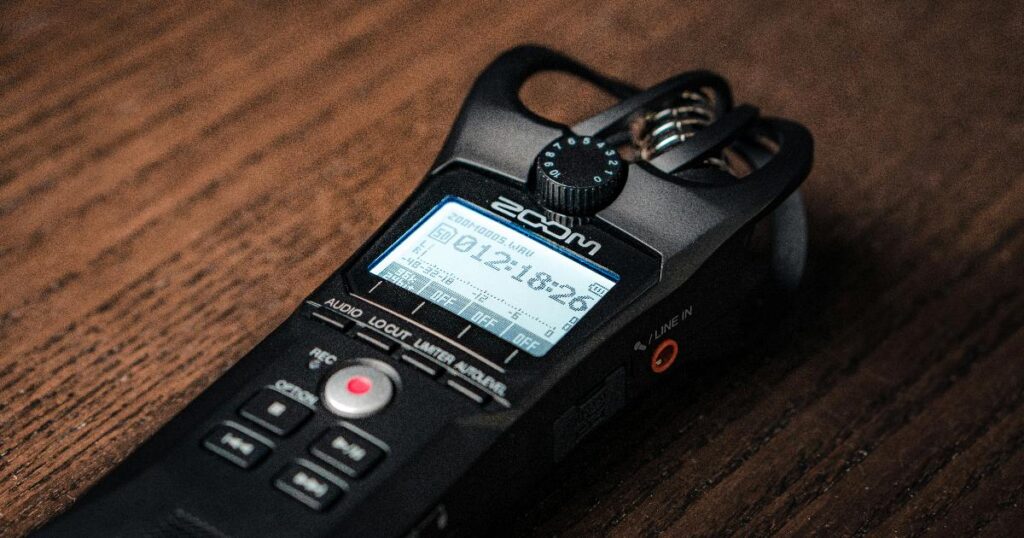
An AI voice recorder clipped to a phone, illustrating demand validation signals from a real hardware purchase
Demand Experiments

What 200,000 Voice Recorders Can (and Can’t) Tell You About Real Demand

A credit-card-sized gadget that clips onto the back of a phone and quietly records what happens when the screen goes dark has become one of the more talked-about hardware debuts in years. Before treating it as proof that AI hardware is finally having its moment, it’s worth asking a more useful question: what does this story actually demonstrate about how to validate an idea before you spend real money building it?

A small business owner reviewing costs and financing options, illustrating how to test SME demand for government support with real behavior.
Demand Experiments

Pro-Business Talk Is Cheap: How to Test What SMEs Actually Need From Government

A new government can sound pro-business in one sentence and anti-growth in the next. It can promise “greater certainty, faster decisions” in a press release and, in the same week, leave a tax question hanging that makes a founder rethink whether to hire at all. For entrepreneurs, the words are almost irrelevant. What matters is whether the everyday friction of running a business — the cost of premises, the wait for a planning decision, the interest rate on a loan — actually goes down. That is not a slogan you can believe or disbelieve. It is a hypothesis you can test.

Founder reviewing overnight supplier quotes on a laptop, illustrating a sourcing experiment and a demand validation test
Demand Experiments

The Overnight Supplier Reply Isn’t Proof of Anything — But It’s Still Useful

Picture a founder in Austin, closing her laptop at midnight after typing a product spec into an AI sourcing tool. By the time she wakes up, three suppliers in Shenzhen have replied, quotes are logged, and one factory has already countered on price. It feels like magic — and it’s easy to mistake that feeling for validation. It isn’t. What actually happened overnight is narrower, and understanding exactly how narrow it is may be the most useful thing a founder can learn from the experience.

Founder reviewing customer interview notes and market signals as part of a demand validation process
Demand Experiments

The Curiosity Test: Why Founders Should Interrogate Demand Before They Chase Capital

Every founder eventually hears some version of the same pitch: investors back people, not ideas. Charisma, ambition, an origin story about noticing what everyone else missed — these are the ingredients of a good fundraising conversation. But there is a quieter, less flattering question that determines whether any of that matters: does anyone actually want what you are building badly enough to change their behavior for it? That question cannot be answered by telling a good story. It can only be answered by testing one.

Scroll to Top